
Dandruff in Winter:
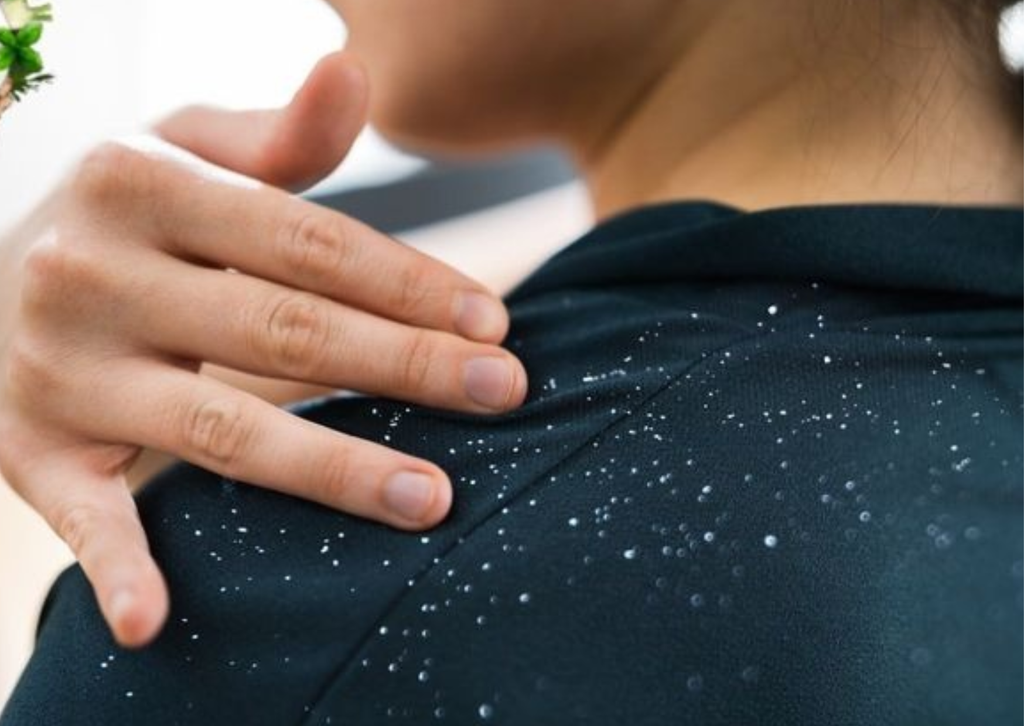
Dandruff is common, and it isn’t caused by poor hygiene. It often looks worse in winter because cold air, dry indoor heat and hot showers can leave the scalp drier. For mild flaking, a gentle routine and an over-the-counter anti-dandruff shampoo used as directed often help. If your scalp is red, painful or very flaky, or nothing improves after a few weeks, see a doctor or dermatologist.
In this guide
1. What is dandruff?
2. Why dandruff in winter often gets worse
3. Dandruff vs dry scalp
4. A gentle winter routine for a flaky scalp
5. How to use anti-dandruff shampoo properly
6. What to avoid
7. A note on natural remedies
8. Daily habits that help
9. When to see a doctor
10. FAQ
What is dandruff?
Dandruff is a common scalp condition that causes flaking, and sometimes itching. The flakes are skin cells that shed from the scalp faster than usual. It isn’t contagious, and it isn’t a sign that you’re not clean. Washing less often can make flakes more visible, but poor hygiene is not the cause.
Researchers are still learning about exactly why dandruff happens, and it likely has more than one cause.

Why dandruff in winter often gets worse
A few things tend to add up in the colder months:
Dry skin: cold air outside and dry heating inside can leave the skin of the scalp drier, just like the skin on your hands and face.
Hot showers: very hot water can dry out the scalp.
Hats and scarves:they trap warmth and sweat against the scalp and can rub on it, and wearing them for long hours can make flakes and itching more noticeable.
Washing less often: many people wash less in winter, which can let flakes and product build up.
Oily scalp and yeast: a yeast that lives naturally on the scalp can irritate some people’s skin and lead to flaking.
Skin conditions: dandruff is related to a common condition called seborrheic dermatitis. Other conditions such as eczema or psoriasis can also cause flakes.
Product reactions: some hair products can irritate the scalp.
Dandruff vs dry scalp: how to tell the difference
They can look alike, and it isn’t always easy to tell them apart. These clues can help:
Dandruff: flakes are often larger and may look white or yellowish. The scalp can feel oily or itchy.
Dry scalp: flakes are often smaller and white. The scalp feels tight or dry, and the skin on your body may feel dry too.
Don’t worry if you can’t tell which you have. Many of the gentle steps below help either way. If you’re unsure or it doesn’t improve, a doctor or dermatologist can look at your scalp and tell you what’s going on.

A gentle winter routine for a flaky scalp
1. Use lukewarm water, not very hot.
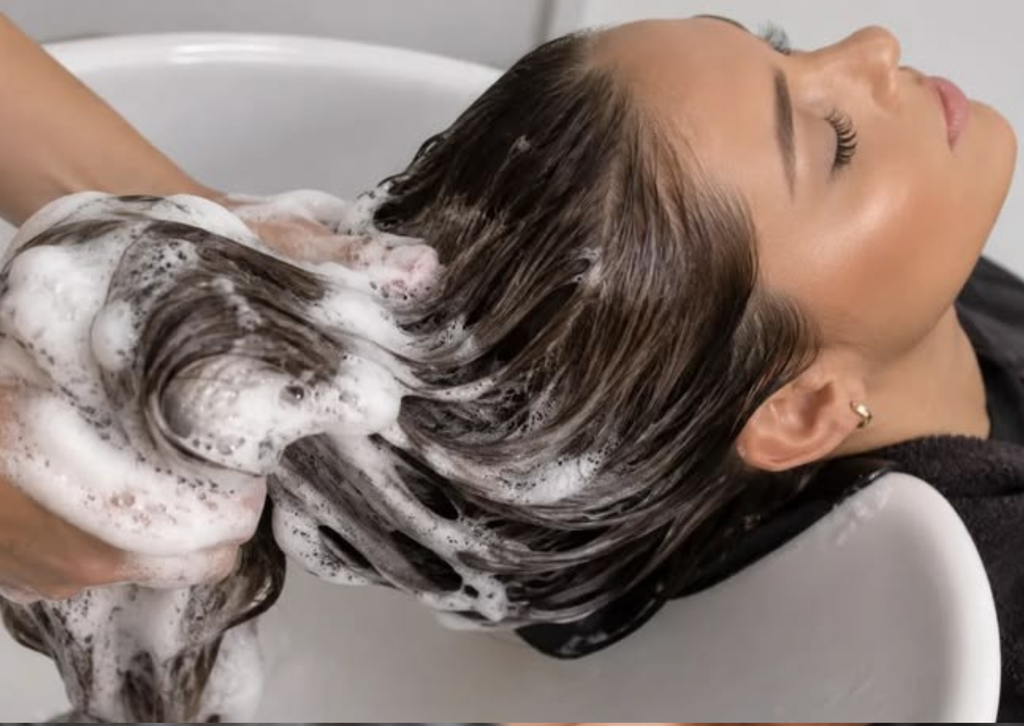
2. Massage the scalp with your fingertips, not your nails, for about a minute while you shampoo.
3. Rinse thoroughly, so no shampoo or conditioner stays on the scalp.
4. Condition the lengths only, from the mid-lengths to the ends.
5. Dry gently. Pat with a soft towel and avoid blasting hot air at your roots.
6. Don’t skip washing for too long. If flakes build up, a regular wash routine can help keep them from piling up
How to use anti-dandruff shampoo properly
Anti-dandruff shampoos are available without a prescription, and most mild cases are managed with them. Here’s how to get the most out of one:
– Check the active ingredient. Common ones include zinc pyrithione, selenium sulfide, ketoconazole, salicylic acid, sulfur and coal tar. Different ingredients work in different ways.
– Read the label and follow it. Directions vary by product, including how often to use it and how long to leave it on.
– Apply to the scalp. Massage it in and leave it for the time on the label (often a few minutes) before rinsing.
– Give it time. Try one product consistently for a few weeks. If you don’t see improvement, switch to one with a different active ingredient.
– Protect your lengths. These shampoos can dry hair, so apply them to the scalp and use conditioner on the ends. If you have curly or coily hair, apply the shampoo to the scalp only.
– Stop if it irritates you. If a product causes burning, stinging or a rash, stop using it. If you have trouble breathing, swelling or hives, get medical help right away.
For how often to use dandruff shampoo with your hair type, follow the label or ask a dermatologist, since the best schedule can differ between people.
What to avoid
– Scratching hard or picking at flakes. It can irritate the scalp and make things worse.
– Very hot water.

– Heavy oils or thick products on the scalp. For some people they build up and make flaking worse. If you use oil, use a little and wash it out.
– Harsh scrubs. Rough scrubbing can irritate an already sensitive scalp.
– Changing products constantly. You won’t know what’s working.
– Covering flakes with dark clothes only. It hides the issue but doesn’t help the scalp.
A note on natural remedies
Many people search for home and natural remedies for dandruff. Some people try ingredients like aloe vera, tea tree oil or apple cider vinegar. The evidence for these varies, and some can irritate the scalp or cause allergic reactions, especially if used undiluted. If you want to try something, do a patch test first, and don’t use it instead of seeing a professional if your scalp is red, sore or getting worse.
Daily habits that help
– Wash hats, scarves, brushes and pillowcases regularly.
– Remove your hat when you’re indoors, to let your scalp breathe.
– Use a humidifier if the air in your home feels very dry.
– Eat regular meals and drink water through the day.
– Some people notice flare-ups when they’re stressed or tired, so rest and gentle breaks can help.
When to see a doctor
This article is general information and not medical advice. Please see a doctor or dermatologist if:
– your scalp is very red, swollen, sore, oozing or crusted
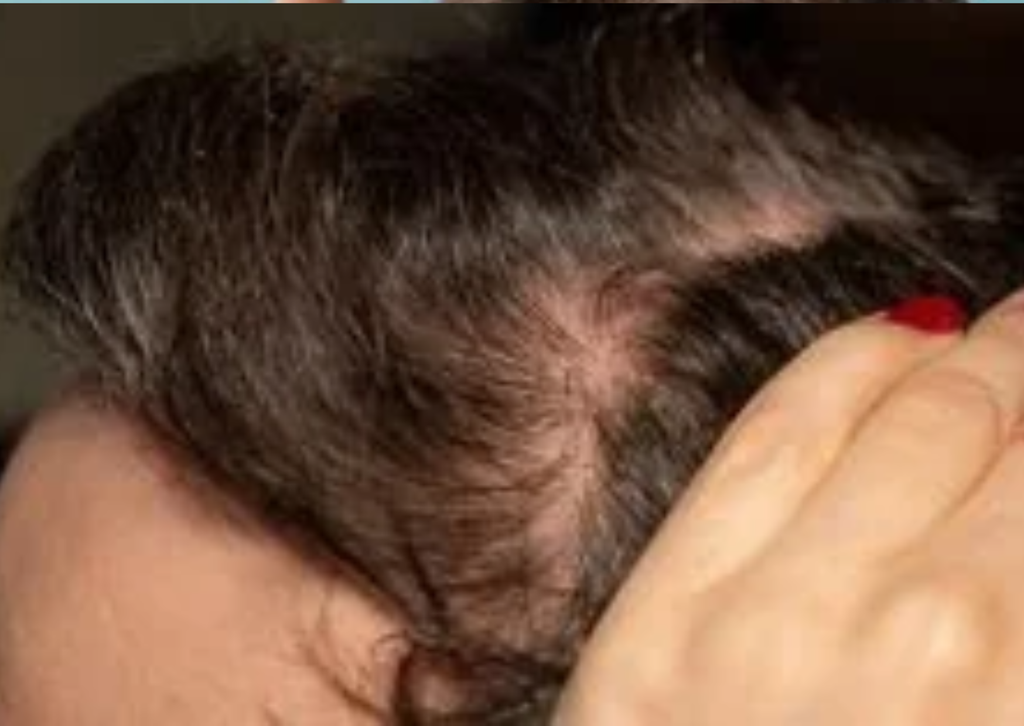
– flakes are thick, or the itching is intense
– you notice hair loss or bald patches
– the problem spreads to your face, ears or body
– you’ve used an anti-dandruff shampoo properly for several weeks with no improvement
If a baby or child has flaky patches on the scalp, ask a pediatrician before using adult products. If you have an allergic reaction to any product, such as a rash, hives or trouble breathing, get medical help right away.
Frequently asked questions
Is dandruff caused by dirty hair?
No. Dandruff isn’t caused by poor hygiene. Washing less often can make flakes more noticeable, but many people with dandruff wash regularly.
Why is my dandruff worse in winter?
Cold air, dry indoor heating, hot showers and hats can all contribute. These can leave the scalp drier and make flaking more visible.
What’s the difference between dandruff and a dry scalp?
Dandruff flakes are often larger and may look yellowish with an oily scalp. Dry scalp flakes are usually smaller and white, and the skin feels tight. A professional can tell you for sure.
Is dandruff contagious?
No. You can’t catch dandruff from someone else.
Can dandruff cause hair loss?
Dandruff itself isn’t usually the cause of hair loss, but heavy scratching or another scalp condition can affect your hair. If you notice shedding or bald patches, speak with a professional.
How often should I use anti-dandruff shampoo?
Follow the label on your product. Many are used a few times a week at first and less often once the scalp improves. If you’re unsure, ask a pharmacist or dermatologist.
How long does anti-dandruff shampoo take to work?
It varies. Many people try a product for a few weeks before judging it. If it doesn’t help, try one with a different active ingredient or see a professional.
Does dandruff shampoo damage hair?
Some can leave hair feeling dry. Apply it to the scalp, condition your lengths and choose a gentler formula if needed.
See Also:7 Essential Steps for a Healthy Skincare Order: Morning and Night Guide
Conclusion
Dandruff in winter is common and usually manageable. Use lukewarm water, wash regularly, try an anti-dandruff shampoo as directed, and keep your scalp comfortable. If your scalp is red, sore or not improving, get advice from a professional rather than guessing.
This article is for general information only and is not medical advice.
Pingback: Skincare Order: 7 Essential Steps for Healthy Skin